





.svg)
.svg)
.svg)
.svg)

.svg)
.svg)
.svg)

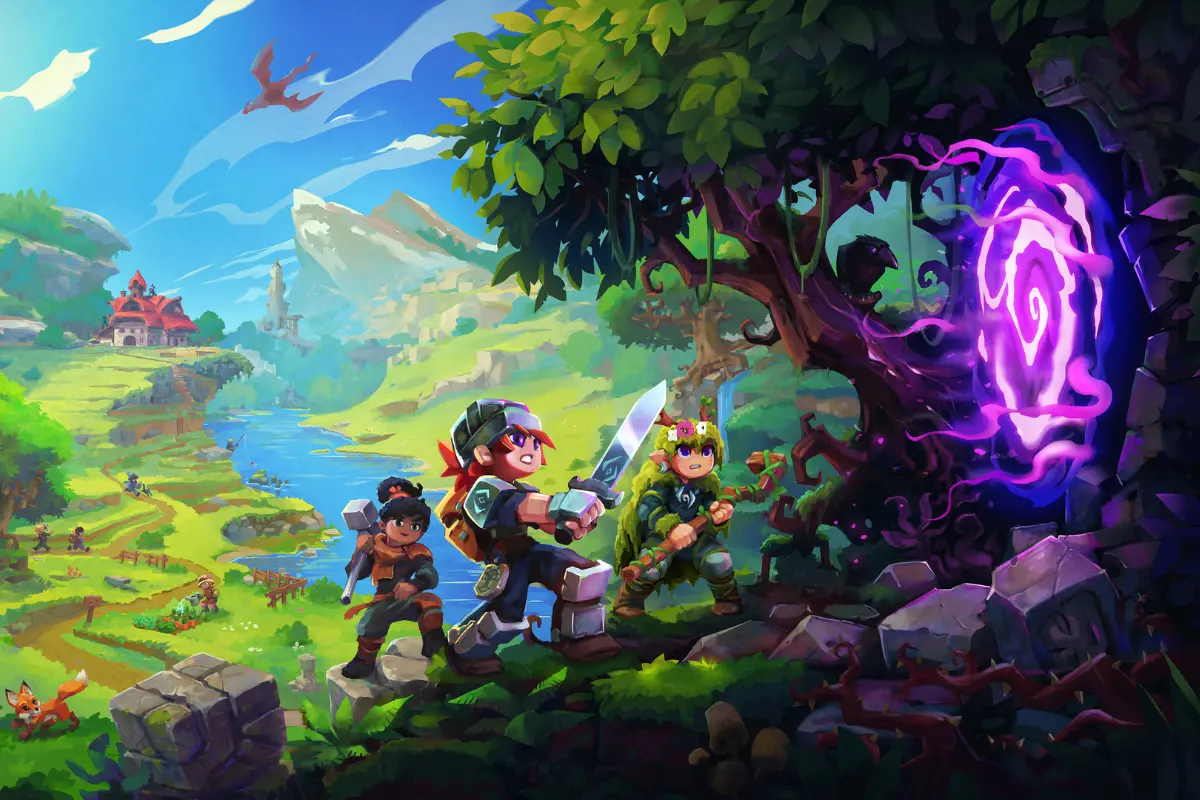
Hytale has had the weirdest life of any block game I can remember. It was teased as this “Minecraft meets adventure RPG” thing, got hyped into orbit, got cancelled, got bought back, then quietly dropped into real Early Access on January 13 2026. And now it’s actually playable. Rough in places, charming in others, but playable.
If you only know Hytale from the old 2018 trailer hype cycle, you are missing the most interesting part. The project didn’t just survive. It kind of rebooted its own future, in public, while everyone watched.
This post is a deep guide to what Hytale is right now, what it is trying to become, why it feels different from Minecraft, and why so many creators keep circling it like it’s the next big playground.
So what is Hytale?
Hytale is a block based sandbox game with RPG momentum baked in. The official pitch is simple: you explore a procedurally generated world full of dungeons, secrets, and creatures, then you shape it block by block.
That sounds like a lot of games until you see the split in priorities. Hytale’s Early Access focuses on three “core systems” first: exploration, combat, and building. Then it layers creator tools on top so players can make content, craft minigames, and run community servers.
In other words, it’s not just “survival crafting with cubes.” The intention is to ship a game where adventure content and custom content can live in the same ecosystem without feeling like duct tape and luck.
The quick elevator pitch I use
If I had to explain it to a friend in one breath, I’d say this:
- Build like a sandbox game, with strong creative tools.
- Explore a world that keeps generating surprises and points of interest.
- Fight and progress with a more “RPG shaped” sense of gear and danger.
- Host and mod without treating multiplayer as an afterthought.
That matches the way the game is described on the official “Game” page and the way the team frames Early Access goals.
Why Hytale became a big deal in the first place
Hytale wasn’t born from a random studio chasing a trend. It came out of the Hypixel universe, meaning people who ran one of the most influential Minecraft server communities for years. Riot later described Hytale as a “community-powered block game” that mixes a creative sandbox scope with roleplaying depth.
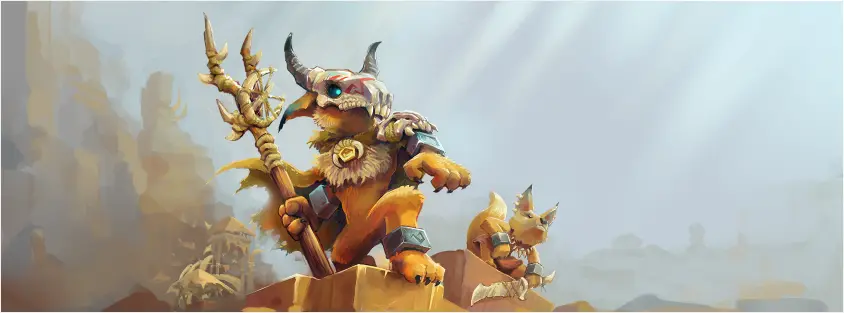
That “community powered” angle matters because it changes the goalpost. A normal game ships content, patches bugs, sells DLC. A community powered game ships a world plus a toolchain and hopes players build whole cultures on top of it.
Hytale has been aiming for that second path from the start, which explains both the excitement and the long delays.
The messy timeline...
Riot acquisition and the long middle years
Riot Games completed its acquisition of Hypixel Studios on April 16 2020. At the time, Riot pitched Hytale as a block game that combines creative sandbox scope with RPG depth.
Then development stretched. Engine work stretched. Ambition stretched. Public updates became careful. If you followed the project you probably remember the feeling: “cool idea, where game.”
Cancellation in June 2025
On June 23 2025 it was announced that Hypixel Studios was ending development of Hytale and winding down the studio.
A lot of coverage at the time framed it as a scope problem. Years went by, the target moved, and the project couldn’t land.
The buyback and the “Hytale is saved” moment
In November 2025, Simon Collins-Laflamme announced that the original founders had acquired Hytale from Riot and that development would continue independently with long term funding commitments. The post is literally titled “HYTALE IS SAVED!” and it reads like a person trying not to cry on keyboard.
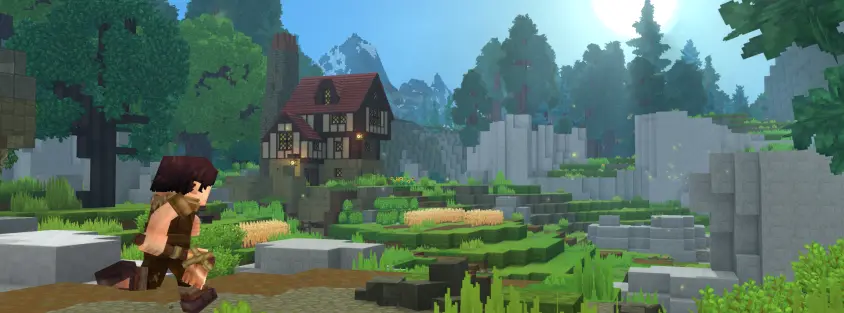
Two weeks later the team announced a very specific plan: ship Early Access fast by returning to an older “legacy build” and getting it into a working state by merging hundreds of branches. That is a very unglamorous sentence and it is also how real software gets rescued.
Early Access launch on January 13 2026
Hytale launched into Early Access on January 13 2026. The launch post is blunt: the game is “unpolished and incomplete” and some features are missing, but it is out.
That honesty became part of the vibe. Even the FAQ around Steam is basically “we want feedback from people who know what they’re buying” and they do not want a drive-by review wave while the game is still being rebuilt.
What you actually do in Hytale
The official “Game” page splits Hytale into three lenses: adventurers, minigame players, and creators. Early Access leans hardest into adventuring and creating because minigames are still marked “under construction.”
Exploration tries to stay surprising
Hytale’s exploration pitch is about constant points of interest: ruins, caverns, landmarks, random events, hidden dens, and sudden challenges that turn a normal trip into a story.
That is marketing language, sure, but it also hints at the design goal. This is not “walk 800 blocks then dig straight down.” The dream is more like: “I was heading home and found a weird place and now it is 2AM.”
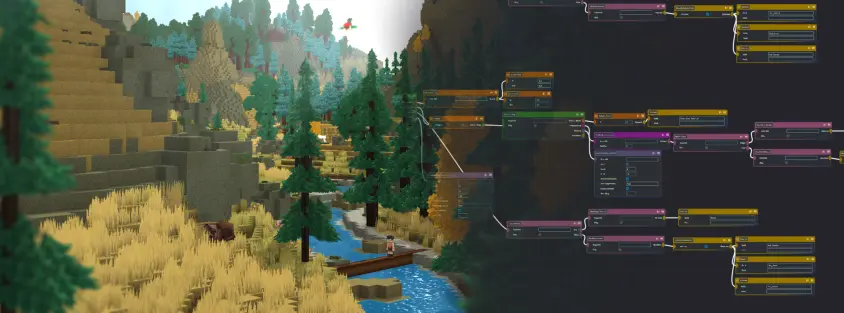
The devs call out dynamic moments their world generation can create, like rivers cutting through mountains and waterfalls tumbling into caverns and hot springs showing up in dangerous areas.
That matters because spectacle is a real retention tool in sandbox games. People keep playing when the world keeps giving them a reason to stop and stare.
Progression and danger
Hytale’s world is full of creatures from small critters to “powerful monsters” and each zone has its own wildlife, with dangerous creatures guarding the strongest gear.
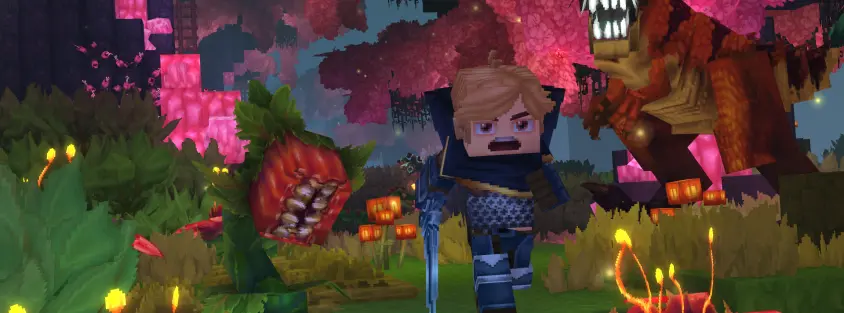
The zone idea pushes you toward a gentle form of RPG progression. You can still wander. You can still build forever. But the game nudges you into a “go here next” rhythm through gear and threats, which is a big difference from classic Minecraft survival.
Building, but with “live here” incentives
Hytale openly frames building as part of survival life: settle in biomes, grow crops, make food, build minecart tracks to bridge distances, then choose if you want a cottage or a castle.
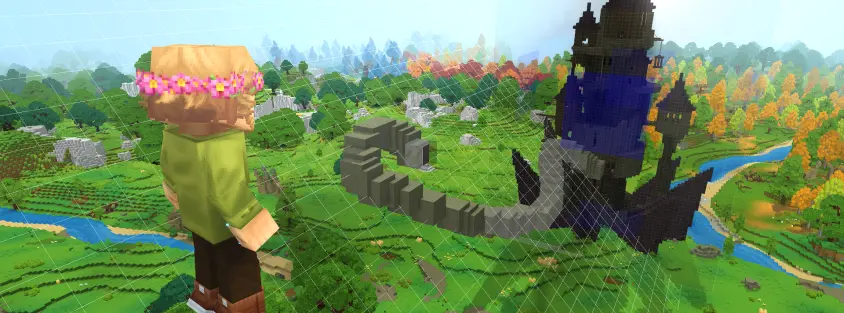
That might sound basic but it’s important tone. The game is telling you to treat the world like a place you live in, not just a map you strip-mine.
Servers and multiplayer are NOT bolted on
One of Hytale’s strongest promises is that it’s “built around player-run servers” from day one. Host your own world, customize it with mods and plugins, shape the experience for friends or a community.
Then it goes a step further: the official page says the server code will be “shared-source” and available for everyone so it’s easier to tweak and extend.
Even if you never plan to run a server, this matters. A game designed around servers tends to make different choices about networking, authority, anti-cheat, and how custom content gets delivered. It usually feels better in co-op because the architecture is not an afterthought.
Very soon, Hytale server hosting will be available on LumaDock.
Co-op is part of the fantasy
Hytale actively encourages you to invite friends, explore together, and “leave a mark on the world together.”
That sounds like a tagline, but it also tells you how the team wants the game to be played long term: small groups, community servers, shared projects, and a world that becomes “yours” over time.
Creator tools and modding are the heart of the hype
If you ask creators why they care about Hytale, a lot of them will shrug and say “tools.” Not in a boring way. More like “I can finally make stuff without fighting five different mod loaders and a cursed patch cycle.”
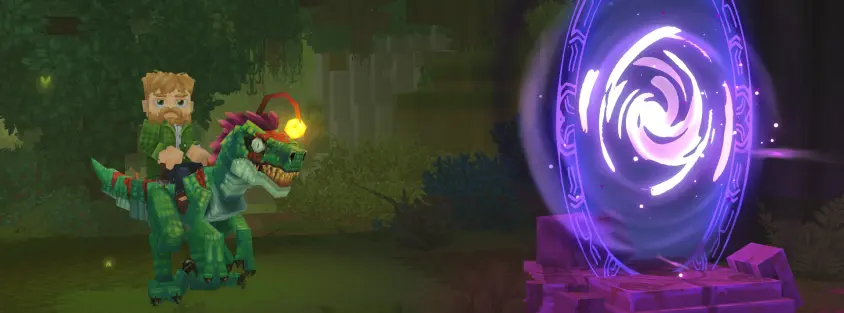
On the official tools section, Hytale claims it includes a comprehensive set of tools from model creation and animation via Blockbench to advanced in-game creative tools.
It also says “if you can see it, you can edit it,” which is the kind of promise that can either become legendary or become a meme. Time will tell.
Blockbench integration
Hytale says it works “hand-in-hand” with Blockbench for modelling and animation. The pitch is that creators build and animate in Blockbench then bring content into Hytale through an integration designed for modders.
This is a big deal because Blockbench is already familiar to Minecraft creators. It lowers the “learn a whole new pipeline” pain.
Server culture and “mods appear fast” reality
We already have proof that creators will move fast in this ecosystem. PC Gamer reported that modders shipped a wave of mods quickly after launch including ambitious examples like MMO-style dungeon concepts.
That early burst doesn’t guarantee a stable modding scene long term, but it does confirm something important: creators are paying attention and they are experimenting right now.
Minigames are promised, but they are not the main event yet
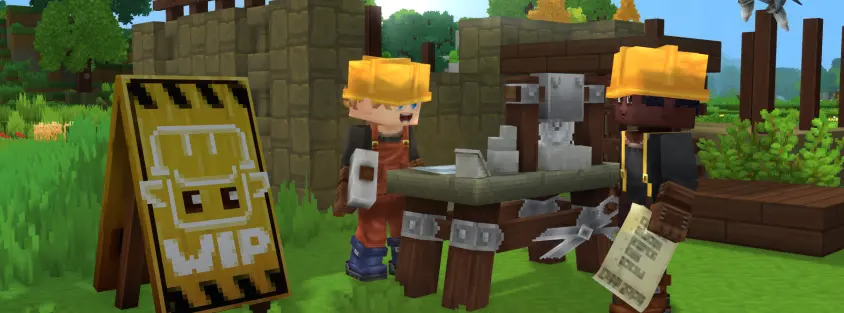
Minigames are still labeled “under construction” on the official game page, but the intended direction is clear: tools for creators, control over camera and assets and mechanics, and an engine designed for performance on a wide range of PCs.
Given the Hypixel legacy, minigames are not a random feature. They are part of the studio’s origin story. I’d treat this as “planned pillar” rather than “shipping feature” for now.
Hytale vs Minecraft
People keep comparing Hytale to Minecraft because the surface language matches: blocks, crafting, procedural terrain, multiplayer servers, creative builds. That comparison is fair. It’s also incomplete.
The biggest difference is the game’s shape
Minecraft can be played as survival, creative, redstone engineering, minigames, modded RPG, hardcore, peaceful building, or a hundred other things. It’s a platform.
Hytale is also trying to be a platform, but its default “shape” leans harder into adventure progression: zones with unique wildlife, stronger gear guarded by stronger enemies, and exploration framed like an ongoing campaign.
Tools are a first-class promise
Minecraft’s creator scene is huge, but much of it grew through years of community tooling. Hytale is explicitly promising creator tools inside the product, plus server code access and a clean pipeline like Blockbench integration.
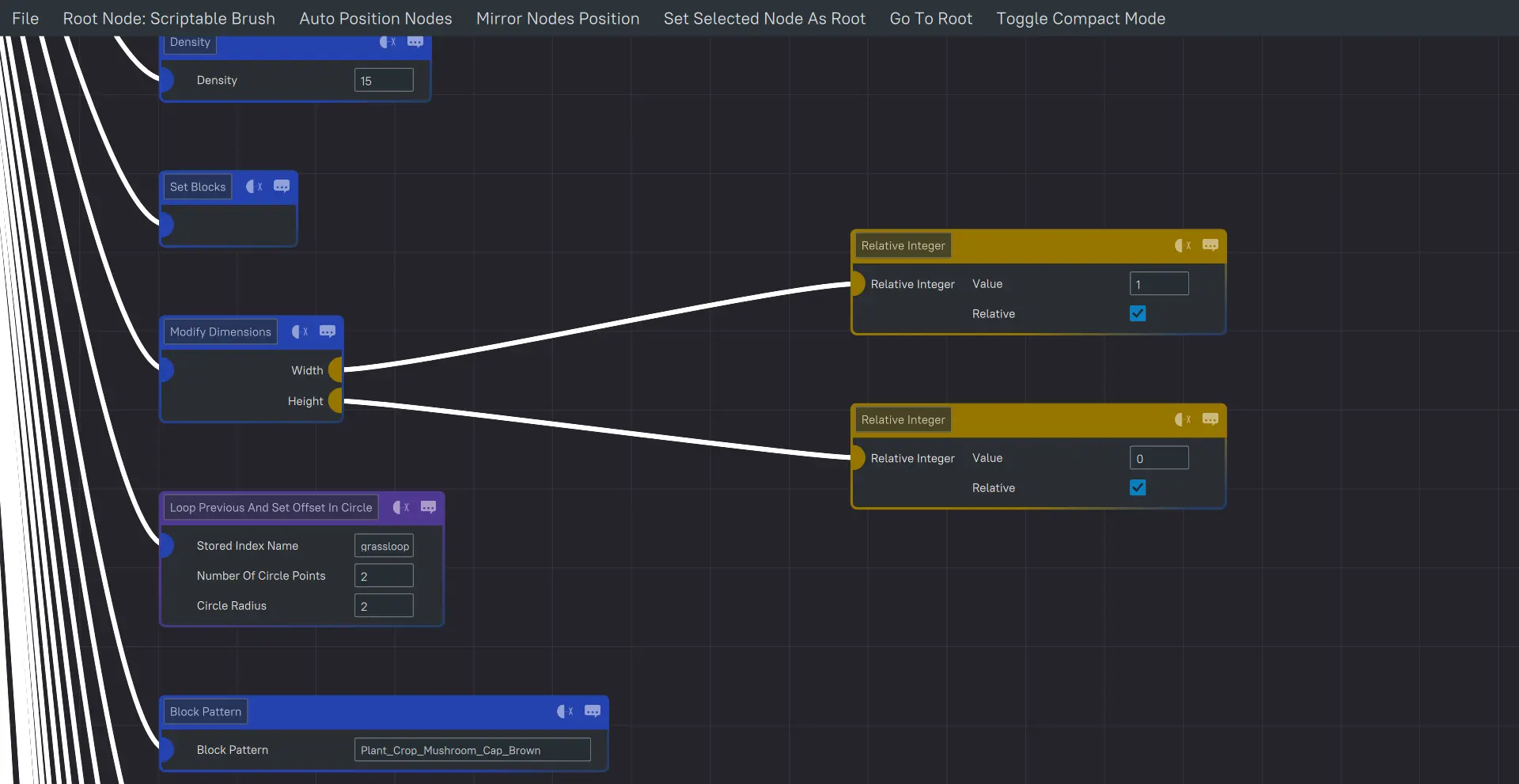
If they pull this off, the “default creator experience” could be smoother, especially for multiplayer servers that want custom content without telling every player to install a giant modpack.
My honest take
If you love Minecraft because it’s calm and open ended, Hytale might feel pushier. If you love Minecraft because you keep modding it into an RPG, Hytale might feel like it’s aiming at your exact brain. And if you are a server owner who lives in plugin menus, Hytale is clearly trying to treat you like a real customer, not a tolerated hobbyist.
What Early Access includes and what it does not
The official messaging is consistent: Early Access is real Early Access. Expect bugs, missing features, and rapid iteration.
From the “What is Hytale?” description on the main site and the “Game” page, the focus is exploration, combat, building, plus creator-first tools.
Minigames are marked as under construction on the game page.
That is the cleanest way to say it without inventing details. If you want a feature complete RPG narrative right now, you should set expectations accordingly. The devs are already telling you to do that.
Why people are still excited even after all the chaos
It finally exists as a thing you can touch
For years Hytale was mostly an idea plus occasional clips. Now it is a downloadable Early Access game. That alone changes the conversation from “will it ever ship” to “how fast can it improve.”
The studio is talking like a small team again
The November 2025 posts read like a founder-led project: personal commitments, direct language, and a willingness to show ugly technical realities like merging hundreds of branches to revive an old build.
I don’t romanticize this. Small teams can burn out. Fast iterations can break stuff. But the tone shift is real and it helps trust.
The creator pull is strong
Even if Hytale is janky in spots, creators smell opportunity. Tooling plus servers plus shared-source code is a magnet for the exact people who keep sandbox games alive for a decade.
Should you play Hytale right now
Here’s my practical filter.
Play now if
- You like early access games and you can laugh at bugs instead of spiraling.
- You want to explore a new sandbox world while it’s still being shaped.
- You are a builder or creator who wants to experiment with a new toolchain.
- You like multiplayer communities and you want to be early to one.
Wait a bit if
- You only enjoy polished releases with a finished campaign arc.
- You hate performance issues, missing features, or balance swings.
- You want a huge minigame suite today, not “eventually.”
The devs themselves basically say this in kinder language: don’t pre-buy if you don’t feel comfortable because it is unfinished and buggy.
My conclusion (so far)
Hytale is not the “Minecraft killer.” It never needed to be.
The more interesting question is smaller: can Hytale become the block sandbox that feels built for creators and servers from day one, with adventure structure that doesn’t require ten mods to feel alive? That is the bet.
Right now, in February 2026, it’s a real game in a rough state with a very loud heartbeat. If you like being early to worlds that might become huge, Hytale is one of the rare ones that’s actually worth watching.